Introduction to 7-OH
7-OH, known in various contexts as a gas station drug, has recently surged in popularity, often being marketed as a legal alternative to traditional narcotics. The chemical composition of 7-OH is derived from the naturally occurring compound 7-Hydroxymitragynine, which is a metabolite of Mitragyna speciosa, commonly referred to as kratom. This compound exhibits psychoactive properties, which have drawn both interest and concern from both users and health authorities.
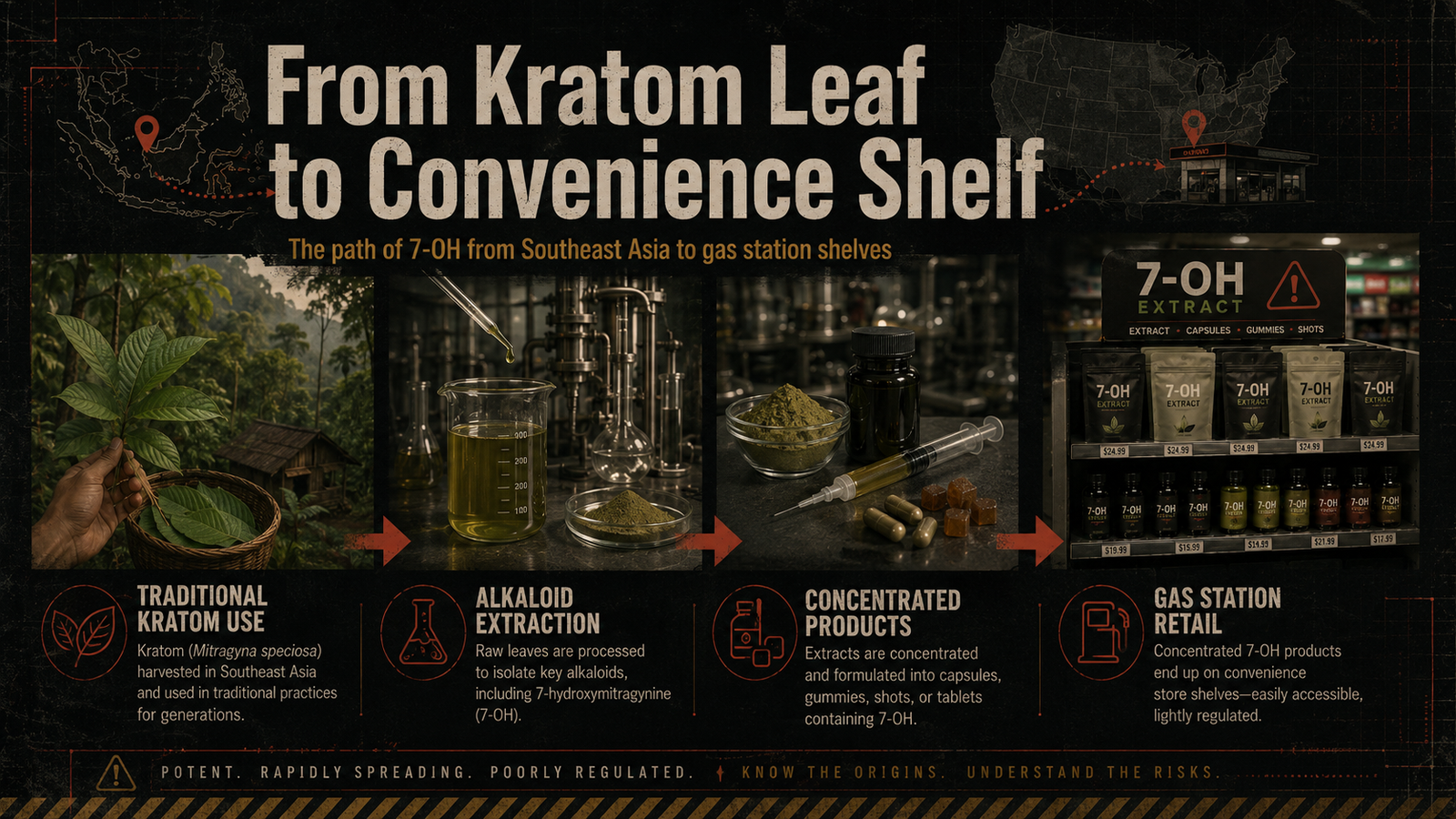
The origins of 7-OH can be traced back to Southeast Asia, where the kratom tree thrives. Traditional use among indigenous communities for its stimulant and sedative properties has paved the way for more recent adaptations in drug culture. As kratom became popular in various countries, the extraction and enhancement of its potent metabolites, like 7-OH, began to capture the attention of those seeking alternative psychoactive experiences. This led to the commercialization of 7-OH products, which are now accessible in gas stations and convenience stores across various regions.

Although 7-OH is often positioned as a safer alternative to substances such as heroin, it is essential to understand the potential risks and benefits associated with its use. Initial research suggests that while 7-OH may exhibit analgesic properties similar to those found in opioid drugs, there are still significant gaps in scientific understanding regarding its health implications. Users of 7-OH should remain informed that, despite its legal status, the lack of robust clinical studies raises questions about its long-term effects on health and wellbeing.
The Chemistry of 7-OH
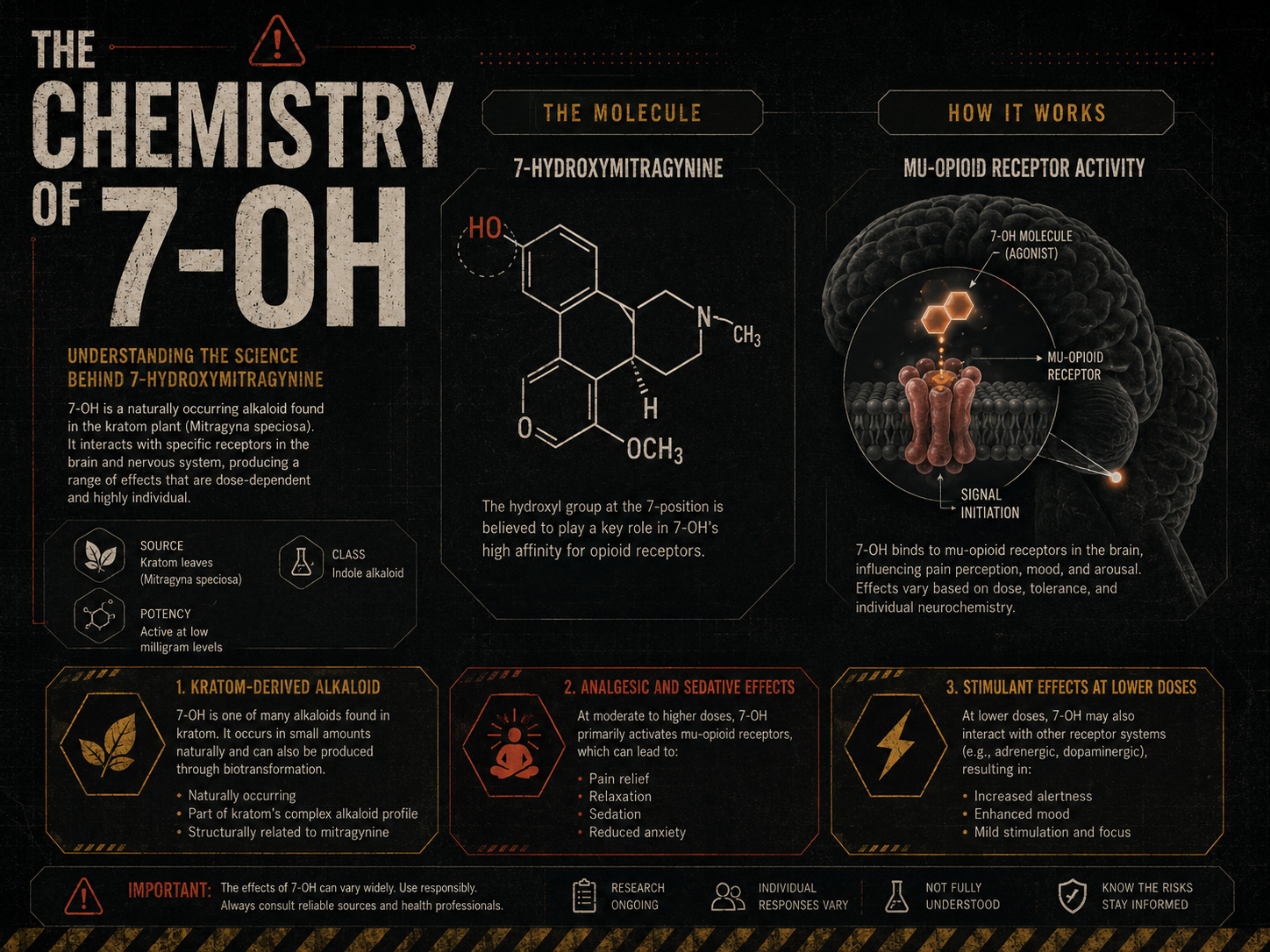
7-OH, chemically known as 7-hydroxymitragynine, is a compound derived from the kratom plant, Mitragyna speciosa. With a structure that shares some similarities with the active alkaloids present in kratom, 7-OH is significant for its unique interaction with mu-opioid receptors in the body. While not as widely discussed as its parent compound, the interest in 7-OH has surged, particularly within certain communities and gas stations that offer these substances.
The pharmacology of 7-OH reveals that it possesses analgesic and sedative properties, which contribute to its appeal as a substitute for both traditional opioids and other recreational drugs. When ingested, 7-OH mimics the effects of opioids, binding to the mu-opioid receptors in the brain, leading to pain relief, euphoria, and in some cases, sedation. This mechanism explains why individuals may gravitate towards products marketed at gas stations containing 7-oh heroin or 7-oh kratom, seeking an alternative that may be perceived as less regulated.
Moreover, the chemical properties of 7-OH indicate that it can also exhibit stimulant effects at lower doses, leading to increased energy levels and heightened alertness. The dual nature of this compound makes it complex and intriguing, particularly for those exploring the boundaries of legal recreational substances. However, due to its potent effects and the potential for dependence, 7-OH is classified under a scrutinous lens in various jurisdictions, often spurring discussions about regulation and safety.
In essence, the chemistry behind 7-OH underscores the need for caution and informed decision-making among consumers. Its classification and the ongoing debates surrounding its use highlight a broader conversation about the implications of substances available in gas stations and their long-term effects on health.
The Rise of 7-OH in Gas Stations
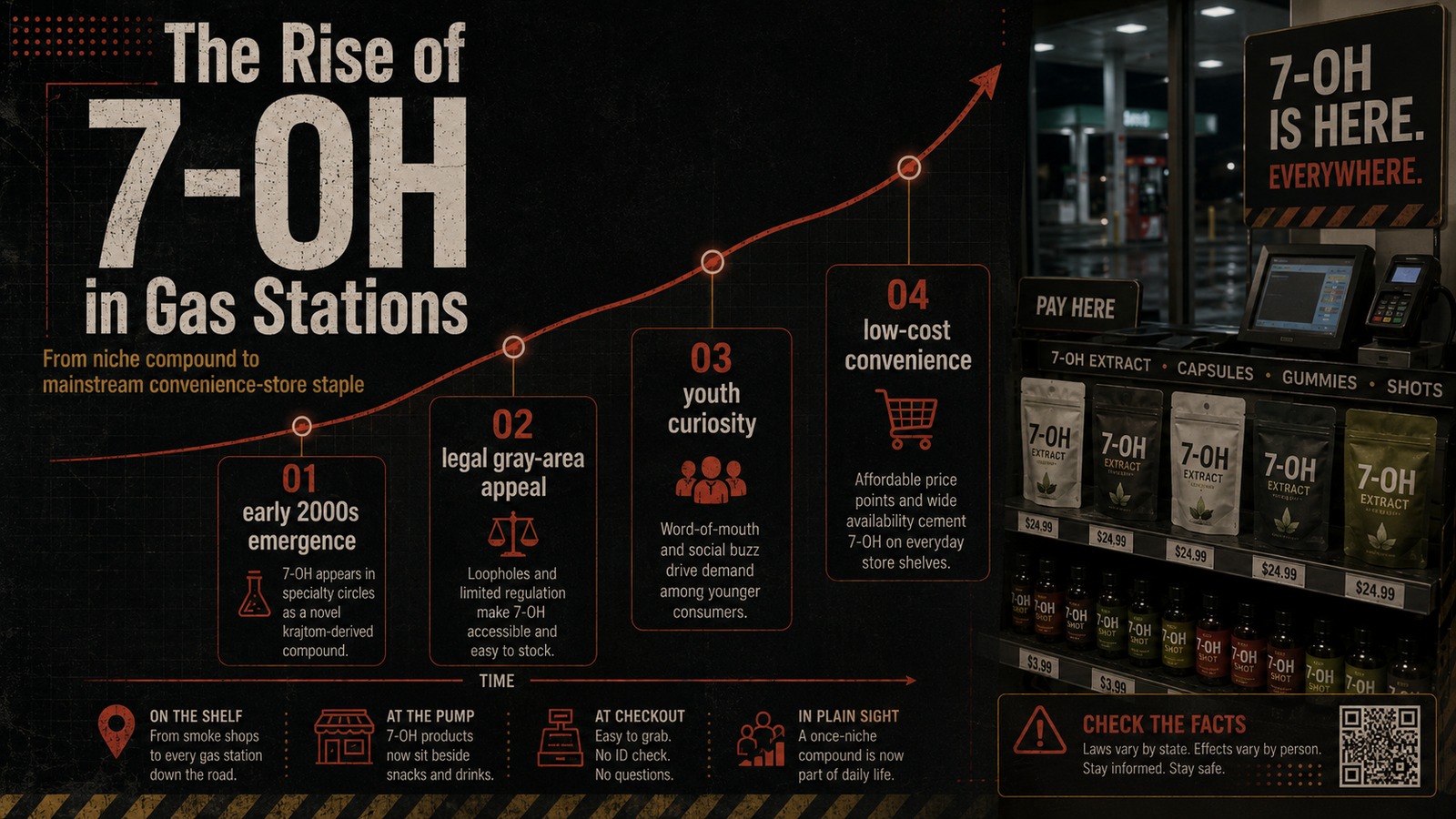
The emergence of 7-OH as a prevalent substance at gas stations marks a significant shift in the landscape of accessible recreational drugs. Initially introduced to the market in the early 2000s, 7-OH was developed as a legal alternative to other psychoactive substances such as 7-OH heroin and traditional opioids. Its popularity surged rapidly among various demographics, particularly young adults seeking an affordable and convenient high.
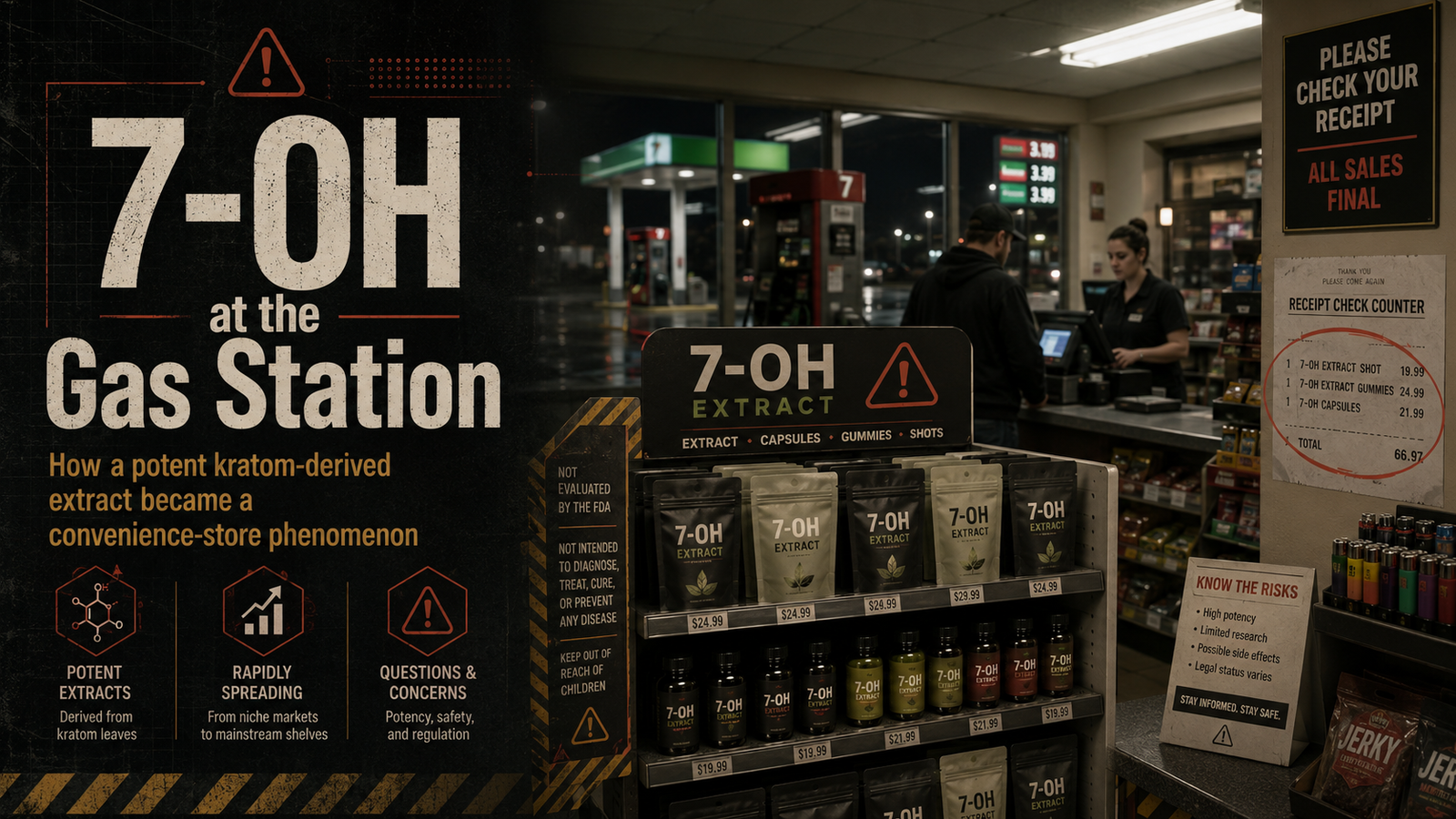
A key factor contributing to the rise of 7-OH at gas stations is its legal status as a substance derived from kratom. As regulations around opioids tightened, many users turned to this seemingly safe and easily accessible option. Gas stations, often open for extended hours and located in various neighborhoods, became prime outlets for the sale of 7-OH products. This made them a perfect choice for individuals looking for quick access to substances that could mimic the effects of more traditional recreational drugs.
The demographic of users has been predominantly young adults, aged 18 to 35, often characterized by a culture that values the novelty of substance experimentation. The accessibility of 7-OH gas station products allowed for increased exposure among this group, leading to a rise in the trend of using 7-OH kratom derivatives as both recreational and self-medication options. Many consumers are drawn to the effects of 7-OH due to its purported benefits, including pain relief and anxiety reduction, attracting a mix of casual users and those seeking more profound psychoactive experiences.
The convenience and low cost of purchasing 7-OH at gas stations further fueled its growing popularity. With minimal regulation, gas stations have become go-to sources for these substances, enabling users to engage with the trend readily. As such, 7-OH occupies a unique niche within the broader marketplace of psychoactive substances, solidifying its place as a prominent entry in the landscape of gas station drugs.
Marketing Strategies and Target Audience
The emergence of the 7-OH gas station product line reflects a targeted marketing strategy aimed primarily at young adults, a demographic often seeking alternative and trendy recreational substances. The marketing campaigns surrounding 7-OH heroin, 7-OH kratom, and their derivatives have employed various tools designed to resonate with this audience’s values and preferences.
Firstly, the branding of 7-OH products is crucial. The packaging is often colorful and eye-catching, which intensifies the appeal for young consumers looking for novelty. These products are usually displayed prominently at gas stations alongside energy drinks and snacks, reinforcing their accessibility and reinforcing the idea that they are a socially acceptable choice for a quick, recreational experience.
Additionally, social media plays a significant role in the rise of 7-OH products. Platforms like Instagram and TikTok have become pivotal in creating viral trends, and brands have capitalized on influencer endorsements to promote 7-OH heroin and its related products. Short and engaging videos that highlight the usage of these substances, often depicting them in party or social settings, help to normalize their consumption among youth. Such strategies contribute to shaping a perception that equates 7-OH with a fun and carefree lifestyle.
Moreover, user-generated content has also enabled a community around 7-OH products. Many users share their experiences online, enhancing the visibility and desirability of these substances. It is this combination of appealing visuals, influencer promotion, and community engagement that has effectively positioned the 7-OH line within the marketplace, often attracting new consumers curious about their effects.
This marketing strategy effectively captures the essence of modern youth culture, showcasing how thoughtfully designed promotional tactics can influence drug consumption trends among young adults.
Health Risks and Concerns
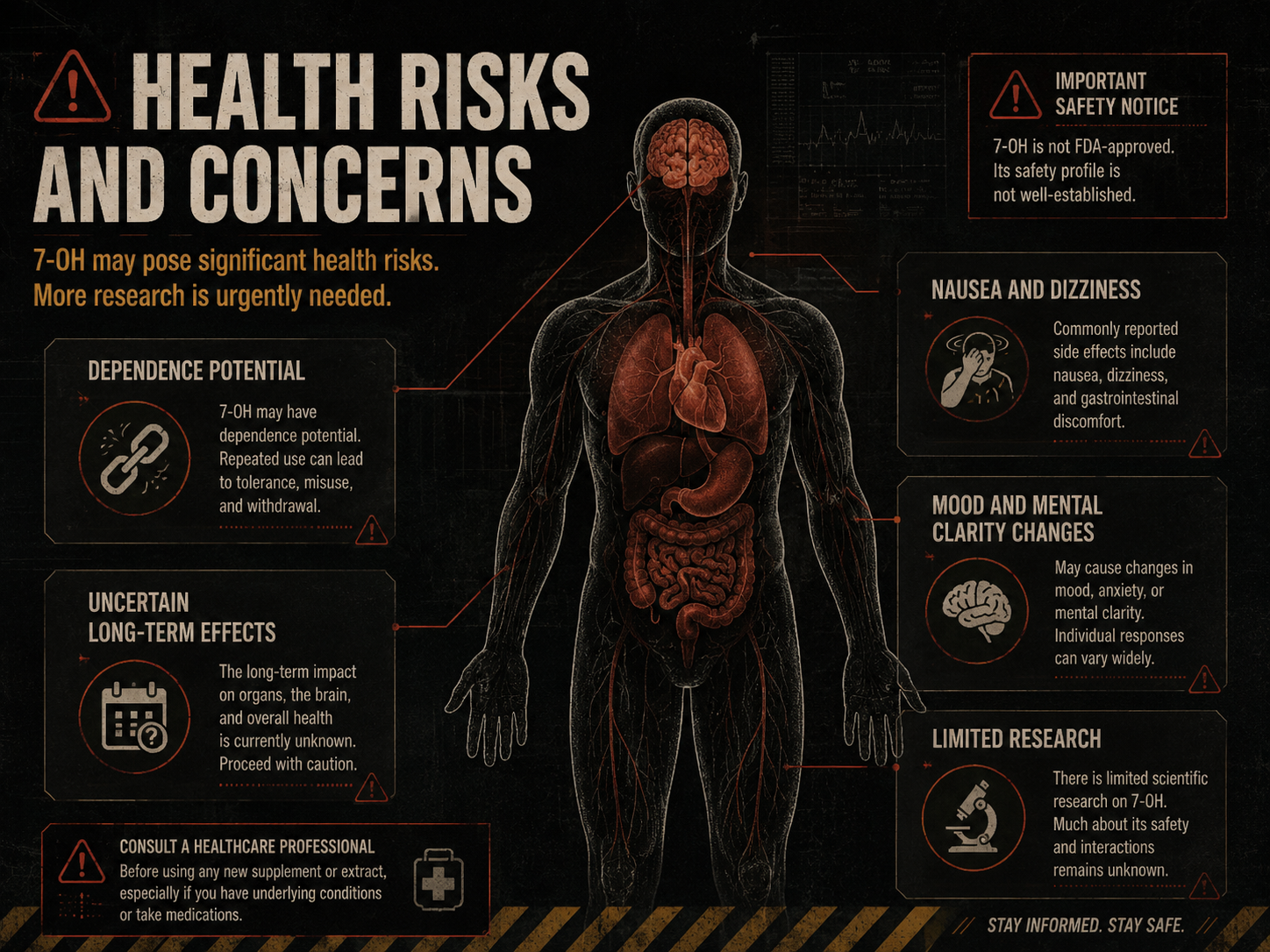
The emergence of 7-OH substances, including 7-oh gas station products such as kratom and other related substances, has raised significant health concerns among users and health professionals alike. One of the primary risks associated with 7-oh heroin and similar derivatives is the potential for addiction. The psychoactive properties of these substances can lead to increased tolerance, creating a cycle where users feel compelled to consume more to achieve the desired effects. This reliance can quickly escalate into dependency, impacting daily life and overall wellbeing.
In addition to addiction risks, the side effects of 7-oh gas station drugs are concerning. Commonly reported adverse effects include nausea, dizziness, and hallucinations. Users might also experience fluctuations in mood and mental clarity, which can significantly affect their social interactions and professional responsibilities. The unpredictability of these side effects has led to a growing fear of health complications associated with long-term use.
Furthermore, both short-term and long-term implications on mental and physical health are critical areas of concern. Evidence suggests that chronic use of 7-oh kratom can result in cognitive impairments and exacerbate pre-existing mental health conditions, such as anxiety and depression. Physically, users may suffer from gastrointestinal issues, fatigue, and even cardiovascular problems due to the stimulatory effects of these substances. These health risks highlight the urgent need for further research and regulation in the market of gas station drugs like 7-oh, ensuring that potential consumers are fully informed about the dangers associated with their use.
Legal Status and Regulation
The legal status of 7-OH, particularly when associated with substances such as 7-oh heroin and 7-oh kratom, varies widely across regions and jurisdictions. As an emerging phenomenon in the landscape of gas station drugs, 7-OH has elicited a complex regulatory response that reflects the challenges in governing substances that often fall into a gray area.
In some countries, 7-OH is classified under controlled substances, rendering it illegal to possess, distribute, or sell. In the United States, the legal status is even more nuanced, as individual states may enact regulations that either permit or prohibit substances containing 7-OH. States like Florida and Texas have implemented stringent regulations against synthetic drugs, including derivatives of 7-oh, to combat the growing concerns regarding public health and safety.
Conversely, there are regions where 7-OH remains unregulated, allowing gas stations to sell products containing this substance without legal repercussions. This creates a distinct disparity where consumers in different states or regions may have varying access to 7-OH products, contributing to the ongoing debate over consumer rights and public health. Nationally, the lack of uniform regulations poses challenges for lawmakers aiming to control the sale and distribution of substances associated with 7-oh.
As public awareness increases and more research is conducted on the effects of 7-OH, future implications for regulation are likely to shift toward tighter control. Advocacy groups and health organizations are pressing for a systematic approach to address the potential risks associated with 7-oh gas station products. Legislation may evolve to reflect growing concerns, highlighting the need for balanced policies that protect consumers while allowing for responsible use of alternative substances such as kratom.
Public Perception and Social Stigma
The use of 7-OH, often found at local gas stations, has garnered varied perceptions among the public, revealing deep societal divisions on the topic. While some individuals view 7-OH products—such as 7-OH gas station offerings, which include substances like 7-OH kratom and 7-OH heroin—as recreational alternatives to traditional drugs, others approach them with skepticism and disapproval. This dichotomy leads to feelings of normalization in certain communities, where the use of 7-OH is not only accepted but is becoming increasingly common.
The social stigma surrounding 7-OH usage is significant. Many users report feeling marginalized due to their choice to consume these substances, which are often unjustly associated with criminal behavior and addiction. Concerns about safety and regulation highlight the arguments made by critics who assert that substances available at gas stations pose substantial health risks. Testimonies from users, however, often reflect a different reality. Several individuals claim that their experiences with 7-OH products have been positive, citing personal benefits like pain relief and increased relaxation.
Furthermore, anecdotal evidence from various communities underscores the complexity of public perception. Users often describe a sense of community among fellow patrons who frequent gas stations to obtain these substances, reinforcing the idea that 7-OH consumption is becoming a normalized part of certain lifestyles. Social media and online forums further facilitate the discussion, as individuals share their stories, tips, and experiences with 7-OH, effectively shaping the collective perspective on its usage and acceptance.
Ultimately, the public perception of 7-OH is marked by a blend of contradiction and community; while some view it through a lens of stigma and risk, others embrace it as a viable and increasingly normalized alternative.
Comparative Analysis with Other Substances
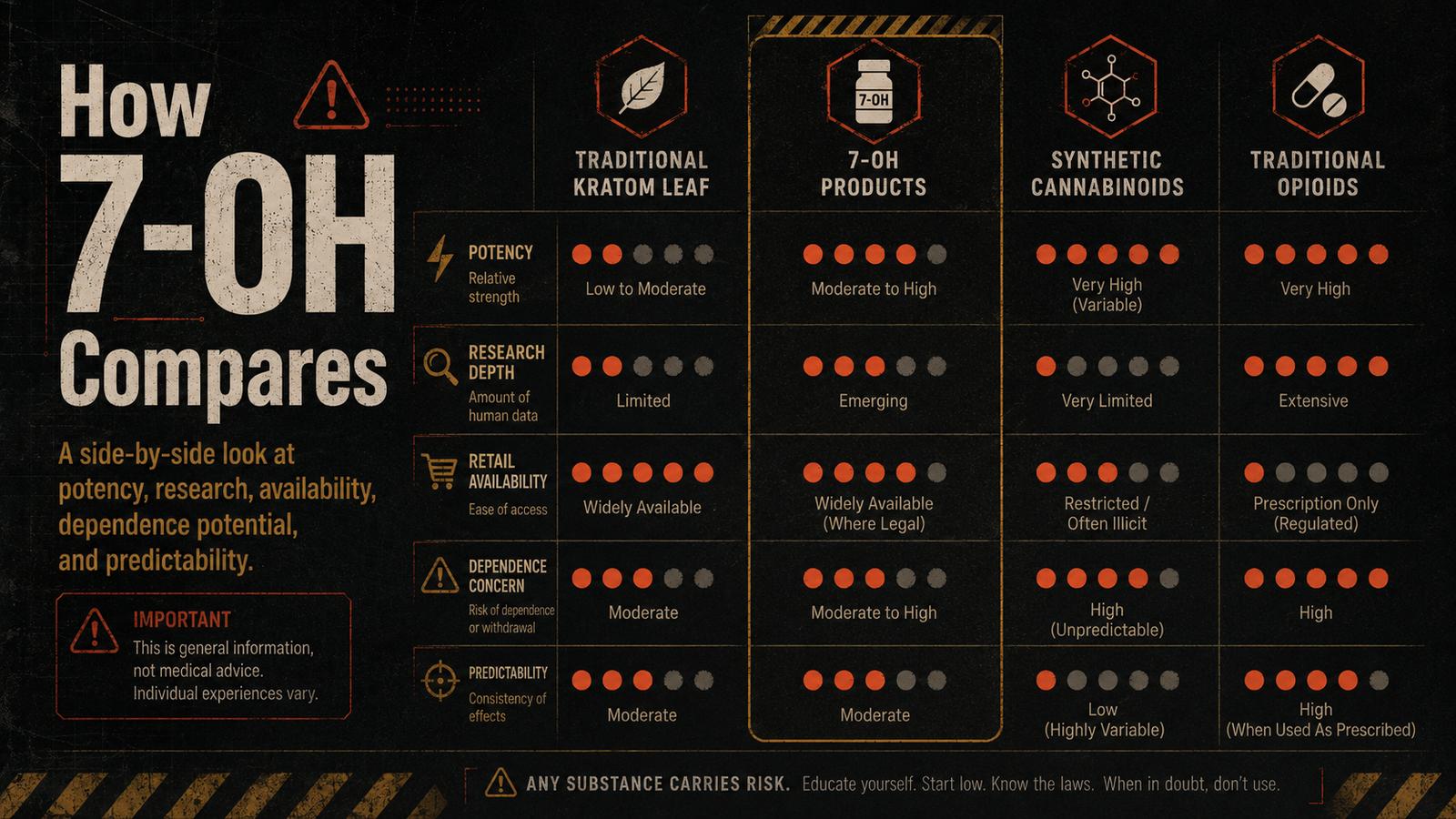
7-OH, prominently featured in gas stations and convenience stores, has gained considerable attention for its unique properties and effects compared to other substances commonly available in similar retail outlets. Often referred to as a more benign alternative, 7-OH stands out when placed alongside substances such as kratom and various synthetic cannabinoids. While kratom is derived from the leaves of the Mitragyna speciosa plant and is known for its pain relief and mood-enhancing effects, 7-OH is lauded for its milder psychoactive properties, making it appealing to a broader demographic.
When comparing 7-OH to synthetic cannabinoids often labeled as ‘legal highs’, the disparities in legality and safety profiles become evident. Many synthetic cannabinoids, despite their availability at gas stations, have been associated with severe health risks and unpredictable effects due to their unregulated nature. Conversely, the emerging popularity of 7-OH can be attributed to its relatively stable effects and improved user experiences. Although not devoid of risks, 7-OH presents a less perilous option for those seeking alternatives to conventional narcotics or recreational drugs.
Demographically, the consumption of 7-OH seems to attract a diverse user base. Research indicates that while traditional opioid users often gravitate toward more potent substances such as heroin, younger individuals and casual users may prefer 7-OH for its lower intensity and easier manageability of effects. In contrast, the more established drugs like heroin exhibit a well-known trajectory of addiction and adverse outcomes, overshadowing any benefits they might purportedly offer. This distinction is paramount in understanding why 7-OH recently emerged as a notable contender in the realm of gas station drugs.
Conclusion and Future Outlook
Throughout this exploration of the 7-OH gas station phenomenon, we have established its prominence as a controversial substance increasingly seen in various convenience stores. Merging popular culture with an evolving landscape of convenience substances, 7-OH is often marketed under various aliases, drawing attention not only for its unique chemical properties but also for its availability and perceived legality. The term “7-OH heroin” has surfaced in discussions, indicating a rising concern regarding its association with other more harmful substances.
Moreover, the rise of the “7-OH kratom” variation highlights a broader trend wherein consumers seek out alternative drugs at local gas stations, driven by a combination of affordability and easy access. The preliminary data suggests a growing market, but this has provoked public health and regulatory scrutiny. As discussions surrounding the safety of these products evolve, authorities are considering how best to communicate risks to consumers while addressing public misconceptions about their legality.


Looking into the future, the trajectory of 7-OH and similar substances within the market appears fraught with challenges. It would be prudent for stakeholders, including manufacturers, regulators, and consumers, to closely monitor these substances’ impacts on societal health and well-being. Furthermore, we may see increased regulation as health experts call for clearer labeling and safety warnings associated with gas station substances. With a rising awareness of public health implications, shifting consumer attitudes may also lead retailers to reevaluate the inclusion of such items on their shelves.
In conclusion, while 7-OH has emerged as a significant player within the gas station drug market, ongoing discussions and potential regulatory changes will undoubtedly shape its future presence and consumers’ perceptions.